
Ways To Play With Your Dog In Winter

The freezing winter weather will inevitably limit the time that household pets spend outside with their parents. However, your pooch pal still requires a good level of stimulation to burn off pent up energy. But don’t fear as there are still many things to do with your dog in winter. Your pup can still take in some exercise during the coldest time of the year. While the snow falls without relenting, you would probably prefer to stay indoors with your canine friend, but then so much fun abounds indoors, it is just for you to discover them.
Snowy days are usually the best time to teach your pet some new tricks, though you have to keep sessions short so as to keep their attention span as fresh as possible. Indoor games that your pooch can play include the likes of hide and seek to find the treat and the use of dog toys that can dispense food as your pet plays with it is equally good since it can stimulate the dog mentally. It is still safe to venture outside when the snow happens to relent, and indulge in some outdoor games like snowballs which is one game that the canine population also enjoys. Without further ado, let’s take a look at a few things to do with your dog in winter.
Walk Your Dog
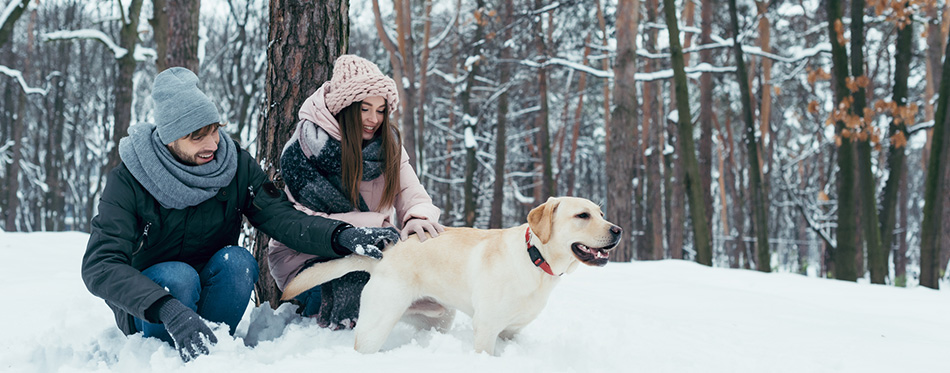
Dogs can still be taken for walks during winter. However, pet parents should try and reduce the amount of time for walks because of the cold; but that does not mean that you will completely eliminate them. Findings from AVMA (American Veterinary Medical Association) say that walking your dog will expose it to some mental stimulation as well as vital exercise. This sort of activity will offer your canine friend the ample opportunity to go exploring new scents beyond the home. Dogs that indulge in walking also stay fit as they burn a lot of calories.
There are a lot of things to take into considerations before taking your canine companion for winter walks:
- Before embarking on any winter pet exercise, get your dog evaluated: Take your pooch to the vet where its health can be assessed. The vet will know if there is any health condition that can impede the dog’s natural ability to tolerate cold. Checks will also be conducted on the hound’s, bones, joints as well as muscles. In fact, anything that is capable of impacting your pooch pal’s mobility will have to be checked.
- Avoid the coldest days of winter: Don’t even try to venture out when the weather turns bad, even then, you should constantly keep tabs on the cold-weather tolerance of your pooch, and use it as a gauge for its outdoor exposure.
- Dress your pooch properly during winter: it is not only humans that need protection from cold, but the canine population as well. Besides, dogs are known to come with their different levels of cold weather tolerance; the breeds with short light coats are affected more than those with a thick, dense coat. Hence the need to clothe them in coats and sweaters for warmth; but then, a pair of dog boots to protect their delicate paws will definitely come in handy during this time, as it has been established that snow and ice can accumulate between the furry toes of your pet, causing irritation and cuts. For more options head over to our guides on dog sweaters and dog coats.
- Be alert for symptoms of hypothermia and frostbite: Once you notice some trembling, shivering, or your dog appears weak and lacks mental alertness, it is time to go indoors.
- Opt for extra dry sweaters: Dogs have been known to develop hypothermia when they continue to wear clothes that are already soaking wet; thus their coats and sweaters should be changed from time to time while they play in the snow.
Unleash Your Canine Friend’s Inner Artist
Let your dog’s inner artist run wild, and allow it to get creative with some multicolored pup-safe paints that are washable. You can achieve this by spreading out a tarp, a canvas, or even a piece of poster board, and allow the dog to express its artistic side through painting. Just go ahead and dig its paw in the paint, and plaster it on the canvas to make a paw image. Some pet-friendly inkpad can also suffice here. Once your dog is done with being the artist, make sure to get the paint smeared paws thoroughly washed. Head over to our review of dog paw washers for more alternatives.
Turn Meals and Treats into an Adventure
Staying at home can be fun for your pooch if you turn treats into an adventure during the winter season. What this game entails is that you get some treats like biscuits or anything hidden somewhere in the home, and ask your canine companion to go look for it. You will have to teach him/her the rules of the game in the first round, and subsequently, your dog will be the one sniffing it out on his own.
You can also hide the treat inside a fun toy, and as your pet plays with the item, the treat will then be revealed. The dog will benefit from the surprise, and the dropping meal will constitute a puzzle, and in the process, your pooch’s critical-thinking process, as well as its problem-solving capabilities, will be strengthened. Apart from having fun, your pet will burn a lot of calories in the process. This is also a great way to motivate your pooch to indulge in some exercise sessions by making him/her work for a tasty treat.
Take a look at our review of Interactive Dog Toys for more options.
Play Hide and Seek
Some pet parents do play hide and seek with their dogs; yes, the classic game is not only enjoyed by children, but it is also actually a real blast for the canine population. You will first sneak off to hide in some secluded spots in your home, and once you are secure in a hideout, call on your pooch to commence a search, and make sure to stay put until he sniffs you out, and you must always be ready with a reward for your dog for a job well done.
Have Some Fun Baking
Another kind of treat adventure for the dog is baking, and you know, winter and baking go hand in hand. So you can actually make plans for a baking day with your dog. You can leverage on online sites, where yummy favorites abound. The likes of Marvelous Mutt Loaf and Peanut Butter Dog Bone Treats will come in handy and trust us, your pooch pal will be so happy and fulfilled, napping the entire afternoon away with a beautiful smile and a full belly. Find out more about dog treats and vegan dog treats here.
Go on Scheduled Outings
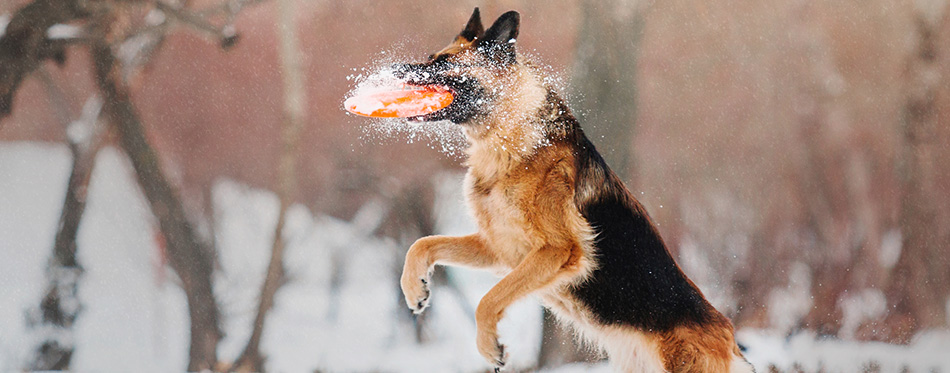
You can schedule convenient dates when you will be able to take your canine friend for an outing, which will make a difference from constantly playing at home. Dogs love the outdoors and a great place to go is the local park. There, your dog will indulge itself with activities like catching Frisbees, fetching items, jumping, running, and sliding. Other dog parents are likely to bring their own pets, and your pooch is sure to find a favorable playmate there. All these help them in burning calories and exerting pent up energy during the winter.
There are facilities that are referred to as agility parks or trail, so why don’t you check it out, if you have one in your locality? These kinds of facilities are focused on providing pets with great workouts, which involve the likes of exploring tunnels, climbing ramps, as well as taking walks across bridges. There are even parks which take pets that are first-timers into consideration and offer beginner classes for such category. However, while your canine companion is busy enjoying its day out in the winter, make sure to pay close attention to all the physical symptoms it exhibits – the essence of this is to gauge how long they will be able to tolerate the biting cold. Once you see signs of discomfort or distress, then it is time to go home. For more options, check out our detailed review of dog agility tunnels.
Many pet parents have also constructed a private agility park for their dogs in their backyard, especially when the weather won’t relent. Such homemade courses will include activities like; jumps, pause tables, weave poles, tunnels, and teeters. Some sophisticated neighborhoods have an indoor canine social club, so, just check out the one that is close to you, and try to make good use of it for the benefit of your canine friend.
Arrange Playdates at Home
Apart from a dog’s outing day, you can arrange playdates in the home for your pooch, as it is one of the ways to exercise them during the winter season. Check your neighborhood to see if there are other pet parents around, and invite them to bring their pets to the playdate at your home. It is essentially canine social gathering which your dog will benefit from thanks to all the socializing and exercising. At the end of the day, you will have a much happier dog, as well as a physically fit one.
Visit a Dog Daycare or Pet Gyms
During the cold winter, when it may be impossible for dogs to venture outside, dog parents can take them to pet gyms where they will get in some extra physical exercise. Some of the programs offer workouts simultaneously for both pet owners and their dogs. In this case, the dog will feel that it is playtime, and will move into the whole exercise with so much enthusiasm.
Another option is the dog daycare where your pooch pal will be exposed to exercise, stimulation as well as socialization. Other dogs come to such facilities too, so your pup will find a lot of playmates. Besides, qualified dog trainers are at hand to teach them proper behavior.
Most winter periods, when the weather is so inclement, most dog parents leverage on the opportunity to train their dogs. You can arrange sessions like obedient training – with this; your pet can imbibe some good demeanors on how to greet visitors politely, they can learn how to walk properly when they are on a leash, and you can teach them how to sit. In fact, intensive training will expose your pooch to some vital physical activities, that will help it burn out excess calories, and thus overcome any impending weight problem.

Snuggle up with a Good Doggy Movie
Go ahead and treat your canine companion to a few bones as you cuddle up in front of the television for a good doggie film marathon. There some known good flicks you can watch; they include the likes of Beverly Hills Chihuahua, A Dog’s Purpose, as well as Air Bud: Golden Retriever. In fact, there is just no better way to pass the time in winter than to snuggling up with your pooch pal to watch a handful of canine classics.
A Shopping Spree for Your Doggie Diva
Unleash your canine companion’s inner fashionista by taking it to a doggie shopping spree. You can achieve this by checking online, or schedule a visit to some pet shops in your vicinity for some adorable doggie booties, warm, colorful sweaters, and insulated winter parkas. If you have a jump on the next Halloween, you can shop for accessories and costumes to wow the judges during parade, and a costume contest.
Try Going for Skijoring with Your Pooch Pal
The best days for skijoring are snowy days, and for the benefit of those who don’t know the game, it is a cross between dog sledding and cross-country skiing. In fact, it is one of the best doggy sports available, but first, you need to put your pooch pal on a harness, throw on your skis, and glide your way across the snow with your canine companion running up ahead. However, skijoring is not for every dog; it is best for medium to large-sized hounds that are naturally athletic.
Engage in ‘Downward Dog’ with Your Canine Friend
Pet parents who love to indulge in yoga can go ahead and include their dogs in their daily sessions. In this case, it is no longer yoga but ‘doga’, and it is a grand way of integrating your pooch pal into your meditative, and relaxation practices. Many yoga studios are known to offer doga classes where pets and their parents go to work on several poses, and at the same time, bond well with each other.
