
How Do Hairballs Affect Your Cats Health

There is no doubt that we love our cats and everything about them. Does this mean we love their hairballs, too? We are doubtful if there is ever a pet parent who adores hairballs in their cats. As a matter of fact, more than a third of all cat lovers report cat hairballs as one of the top conditions that affect cats. Will it put your kitty’s life in danger? Before we give you the answer, let us first shed some light into what feline hairballs are.
What’s a Hairball?
As the name implies, feline hairballs are nothing more than clumps of hair. Don’t make the mistake of thinking that these clumps of hair resemble a ball. Despite its name, hairballs can take on different shapes. Majority of hairballs are cylindrical in shape. The clump of hair takes on a characteristic sausage shape since it tries to exit the cat’s body either through the gut or through the esophagus.
Feline hairs end up in the cat’s stomach. Over time, they accumulate and clump together. If the clump of hair is able to pass through the stomach, then the cat’s small intestines will convey the hairball through the colon and the rectum. Sooner or later you will see the hairball in your cat’s litter box.
If the clump of hair doesn’t make it beyond the cat’s stomach, then your kitty will try to cough it out. They call this process regurgitation in an attempt to get rid of the hairballs from the stomach or the esophagus. You can also look at it as the purposeful vomiting of the contents of the upper GI tract.
Why Do Cats Have Hairball?
The next obvious question is, how cats get hairballs?
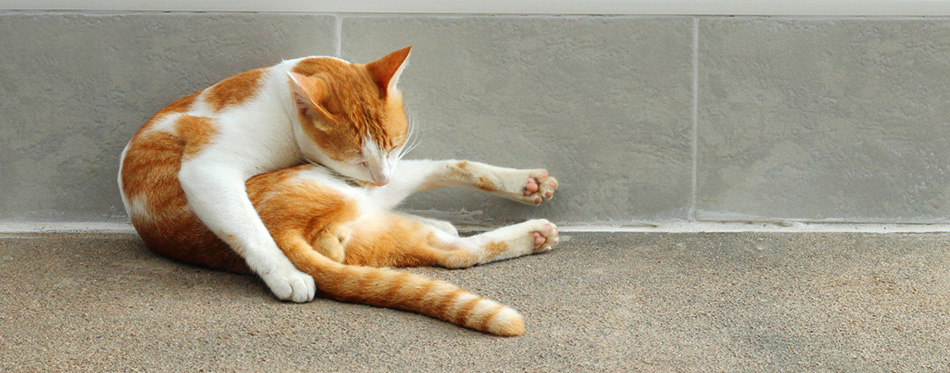
It is inadvertent that cats get hairballs. This is because felines are very fastidious creatures. They can spend the rest of the day grooming themselves. They’ll lick every inch of their body if they can. This is only one part of the equation, however. The other part has to do with the unique anatomy of the cat’s tongue.
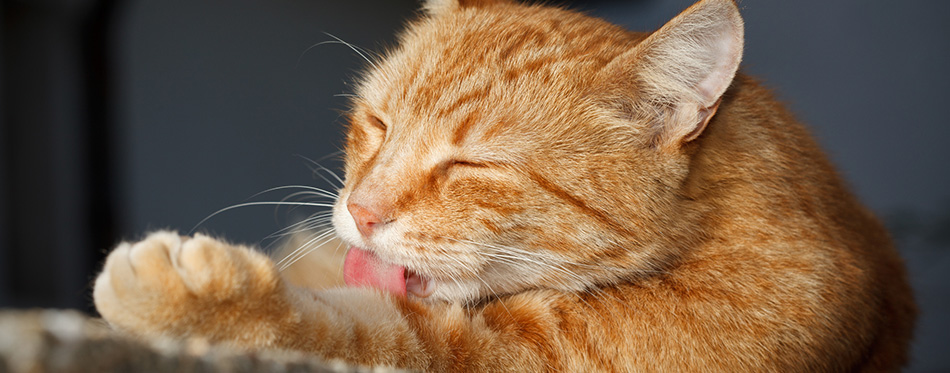
If you are a frequent recipient of your kitty’s licking, then you’ll know that their tongue is not as smooth as you may think. It is rough. This roughness of their tongue is there for a reason. It serves as a broom or a brush. It removes dirt and debris from their coat to help keep their body clean. It is unfortunate that some of their fur can also attach to their rough tongue. Hence, these strands of feline hair end up in the animal’s stomach.
Moreover, hair contains keratin. This is an insoluble protein that forms the outer layer of the hair. Keratin is indigestible. When cats ingest hair or fur, this part of the hair remains intact while the rest undergo the normal process of digestion. Over time, keratin components pile up. This is what forms into that clump of damp hair we call hairball.
Cats that have the tendency to produce hairballs will attempt to eliminate the hairball from their digestive tract. In most instances, hairballs pass through the rectum. In some cases, these pass through the cat’s mouth as the animal attempts to vomit or regurgitate the hairball.
It is unfair to blame our cats for having hairballs in their gut. This condition is unintentional. Hair happens to stick onto their tongue as cats groom themselves.
How Can These Affect Your Cat’s Health?
It is very obvious what will happen to your cat if there are hairballs in its gut. Depending on the size of the hairballs, cats can present with very minimal symptoms while others may show signs of intestinal obstruction.
A cat with hairballs will often be seen vomiting, retching, gagging, or hacking. They may not produce the hairball, however. The act of gagging can compromise the ability of the cat to draw in air from the environment. This can reduce the amount of oxygen that enters the lungs. As a consequence, the different cells that depend on oxygen may not function well.
Vomiting can also produce different effects on your cat’s health. This removes not only the hairball from your cat’s tummy, but also some of the gastric fluids. This fluid is rich in electrolytes like hydrogen and chloride. The removal of some of the hydrogen from the cat’s system can lead to an increase in blood pH. This can produce muscle twitching, nausea, numbness, and confusion. The combined effects of forceful vomiting and the loss of electrolytes can also make your cat very weak.
Your cat may also not eat very well. The acidic taste of vomitus in its mouth can make any food less appealing. Add to this the weakening effects of vomiting or gagging and your cat will lose its appetite, too.
This can have important implications to your cat’s health. Loss of appetite can translate to compromised nutrition. This can lead to weakness because of insufficient calories. The cat will try to mobilize its fat reserves to supply its energy. The muscles will start to break down as the cat’s body attempts compensate for the reduction in calorie intake.
Nutrients that are critical to the optimum functioning of the different organs will also be missing. This can lead to a dysfunction in these organs. The immune system will not be able to produce its cells. This can expose the cat to potential infections. The kidneys may not also be able to filter blood in an efficient manner. This can lead to problems in both the kidneys and the blood. The reduction in nutrients can also affect other organ systems.
If the cat is unable to get rid of the hairball from its system, there’s a chance that this will grow bigger. Once it is big enough, it can get lodged in the small intestines. This is what we call intestinal blockage. At first, the blockage may be partial. This causes the very slow evacuation of stools. We can interpret this as constipation.
If complete obstruction of the intestines occurs, it is often a veterinary emergency. The obstruction does not only affect the movement of stools through the gut. It can also create undue pressure on the blood vessels that line the gut. This can lead to an increase in blood pressure which can tax the cat’s heart.
What Should You Do?
It is okay if you see your cat passing hairballs through the feces or through its vomitus. If your cat continues to vomit or gag for more than 24 hours, you should bring it to your veterinarian at once. It is possible that your pet already has a serious hairball-associated intestinal obstruction.
At the clinic, the vet will perform a comprehensive physical examination to help establish a diagnosis of intestinal obstruction. An X-ray image of the cat’s intestines and bloodwork can also help bolster the suspicion of hairball-associated condition. It is important that other medical problems be ruled out as many can mimic the manifestations seen in hairball-associated condition. For example, frequent hacking noise may be a sign of asthma, another lung problem, or a digestive problem. The vet should be able to determine if what your cat has is hairball-associated or not.
The treatment can include the administration of laxatives to help lubricate the hairballs. This allows them to move through the gut. If the obstruction is serious, surgical intervention is often necessary to remove the hairballs.
Can You Prevent Cats from Getting Hairballs?
It is easy to prevent hairballs. First, frequent grooming can help reduce the number of loose fur that can latch onto the cat’s tongue. Do understand that combing or brushing your cat’s fur will not prevent it from grooming or licking itself. It simply reduces the amount of loose hair so your cat will not form large hairballs. Moreover, grooming sessions are always a good way to strengthen your bond with your cat. Check out our articles on brushes for cats and cat brushing gloves for more info.
There are also cat foods that contain natural fibers. These serve as magnets for the hair in your cat’s tummy to attach to. This makes it a lot easier for the hair to pass through the gut and outside your pet’s body. When picking such kind of cat food, it is important to keep an eye on the completeness and balance of the formulation. Your cat deserves only the best nutrition. A well-balanced and complete diet can also help minimize shedding. Take a look at our review of the best cat food for hairballs for more info.
One way you can reduce the incidence of hairballs in cats is by using products that can control shedding. There are wet wipes and cat shampoos that profess to have the ability to control shedding. Like everything else, it is best to talk to your vet about the use of these products before you try it on your pet.
Hairballs on your couch can be a real nuisance. But if you don’t see hairballs and your cat is vomiting, gagging, or retching, there’s a chance that it may already have hairballs in its system that it cannot remove. Act fast before it’s too late. Bring your cat to your vet to have it evaluated.
Source:
- The Danger of Hairballs – Cornell Feline Health Center
