
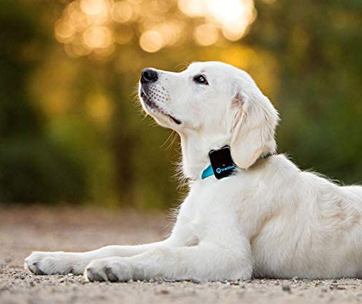

1. Whistle GO & GO GPS Dog Tracker
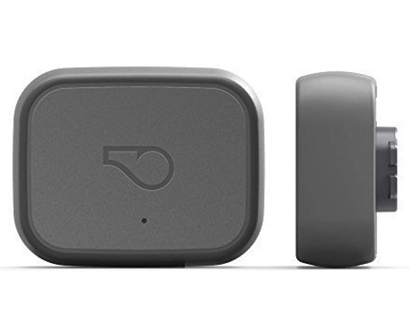
Key Features
Track and find your pet anywhere
See trips over past 24 hours
Set custom safe space and receive alerts when they leave
Set activity goals and track progress towards them
First up on our list, we have this pet tracker from Whistle 3, which uses GPS and cellular tech to track your dog’s location. Once you activate the subscription plan, you can receive alerts via text, app, or email notifications when they leave their safe zone.
Not only can you check where your pet is now, but you can also see their movement over the previous 24 hours too. And since you can track their activity over a 24-hour period, you are in a better position to ensure that they continue getting regular exercise. As for the battery life, a single charge can last for as long as seven days.
2. Garmin Alpha Dog GPS Bundle
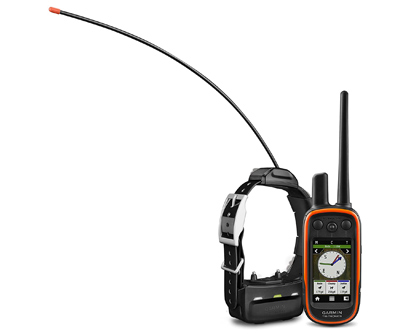
Key Features
Tracks up to 20 dogs
18 training levels available
Preloaded with 100k maps
Measures speed and distance
This multi-dog tracking GPS can determine the location of up to 20 dogs up to nine miles away. But it also functions as a remote training device, which measures their speed and distance traveled, and allows you to set different levels depending on your dog’s ability levels.
Simply set up some virtual boundaries on the map and you can receive alerts from the moment your furry friend steps a paw outside of them. 100,000 maps are already preloaded onto the device, so you can fully take in your surroundings and keep your dog safe.
3. Link AKC Smart Dog GPS Collar
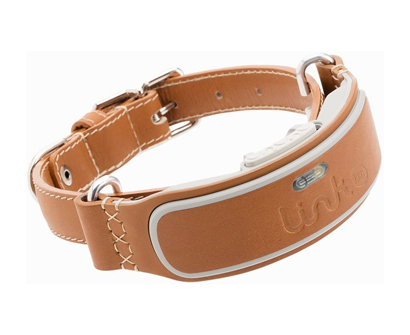
Key Features
Choose between classic leather and sport-style
Record and remember special walks together
Set activity goals
Nationwide tracking throughout the US
A stylish leather or sport-style GPS and activity tracker, this one works with both iOS and Android operating systems. Several different sizes are available, but there is a guarantee that the company will send a replacement if you happen to choose the wrong one. A mobile service plan is required, but you can track your mutt’s location throughout the US, as well as determining when they leave a pre-defined safe space
You can set and customize activity goals for your dog based on their age, size, and breed. There are several other safety features on the GPS dog collar including temperature alerts to monitor their environment, LED lights on their collar, and the ability to store their vet records.
4. Tractive 3G Dog GPS Tracker
Key Features
100% waterproof
Global coverage and location history
Live tracking and virtual fence setup
Suitable for pets above 9 lbs
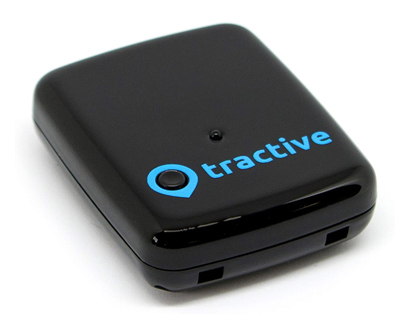
This dog GPS tracker is lightweight enough to ensure that your pooch barely knows that they’re wearing it. And it is also waterproof, so you don’t have to worry if your dog suddenly wants to go for a dip. You can monitor the full location history of your pet, as well as where they are at this moment in time.
Set up a virtual fence, and you will receive alerts whenever your canine companion wanders out of it. Usable in over 150 countries, this is an ideal companion to your globetrotting adventures. The tracker recharges in a couple of hours and has a battery life of several days.
5. Tractive LTE GPS Dog Tracker
Key Features
Lightweight and waterproof
Realtime tracking plus history
Worldwide tracking and virtual fence
Includes an activity tracker
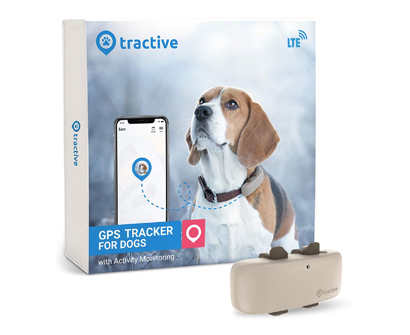
Lightweight and waterproof, the Tractive has an unlimited range so you can always keep track of your dog, as well as set a boundary so you know when he is gone off limits. Designed for dogs over nine pounds, it can be used on dogs of all ages and sits tidily on their collar. With both real-time tracking as well as history, you also get a neat activity tracker so you can be sure your pooch is getting all the exercise they need each day.
With affordable monthly plans, and a range of subscriptions on offer, your also get worldwide tracking making the Tractive ideal for the traveling pooch and his pet parent.
6. Gibi Pet Location GPS Service Unit
Key Features
Tough, waterproof, and lightweight
Low battery alerts to ensure you don’t run out of power
Stylish design and easy attachment to your dog’s collar
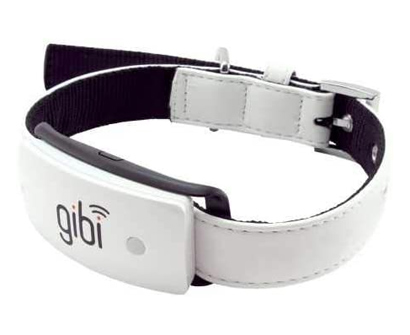
Durable, waterproof, and lightweight, this GPS tracking device is made for active pooches. You can track your dog via the online, browser-based app, which is accessible from wherever you have a connection.
On the app, you can set up a ‘safe zone’, and you will receive email and/or text alerts if your furry friend happens to set a paw outside of these parameters. The pet GPS tracker is designed in a way to attach securely to most collars.
Best GPS Tracker for Dogs Buying Guide
Features to Consider When Buying GPS Tracker for Dogs
Before settling on your chosen GPS tracker for dogs, it is worth looking in more detail at a few of the important features that can help you make your mind up.
- Accurate Location Tracking
Most people buy a GPS tracker for their dog so they can see exactly where they are at all times. And this means that you need an accurate location tracker. Many modern trackers use cellular connectivity to improve their accuracy levels throughout the country. Others come with preloaded maps to track location and movement. And while some promise tracking within a few miles of the device, other GPS trackers offer worldwide coverage, which will be especially important if you plan on taking your dog abroad to unfamiliar territory. Also look out for real-time mapping, which updates you on your dog’s location immediately and without delay.
- Subscription Service
For the GPS trackers which require cellular connection, you need to bear in mind that they require a monthly subscription to work. But for many pet owners, this is a price worth paying for accurate tracking of their four-legged friend.
- Waterproof
If your dog loves going for a dip in the water whenever they get half a chance, it is important that the GPS tracker can resist this. Otherwise, you are likely to find that your tracker breaks very quickly. Even if your dog doesn’t like swimming, there is still every chance that they could get caught up in the rain or end up slobbering all over the collar! While we are on the subject of weatherproofing, some trackers have additional shockproof and dustproof features to keep them safe.
- Battery Life
Choose a GPS tracker with a longer battery life and you won’t have to worry about continually recharging it all the time. The last thing that you want is for your dog to go missing, and you suddenly find that the battery has gone dead. Most have battery lives which last for at least a couple of days, but some trackers extend for a week or longer depending on their usage levels.
- Notification and Alert Systems
Most GPS trackers come with a notification and alert system which tells you when your dog has wandered out of a pre-set ‘safe space’ location. Some allow you to choose whether you want to get these via email, text, app notification etc. After all, if your furry friend manages to get away from their designated area, you will certainly want to know about this at the earliest possible opportunity.
- Activity Tracking
While you may buy a GPS tracker for its ability to see where your dog has gone, additional activity tracking features may sway you to buy one device ahead of another. Just as wearable technology such as Fitbits allow you to track your own activity levels, the same is true of some trackers. You can get information such as how far they have walked, their speed, and the route that you have taken on your most recent walk. This information helps you to customize your exercise plans for them, as well as allowing you to adjust them if required.
- Extra Features
The final points to consider are any additional features which could end up swaying your decision. For example, some trackers include the option to set additional alerts, such as if your dog’s environmental temperature changes. Others include LED lights for night-time walks.
You may also like our article on Wireless Electric Dog Fence.

Benefits of Using GPS Tracker for Dogs
Before you decide to buy a GPS tracker, you may want some more information on what benefits you can expect to receive. Check out this list of the top advantages.
- Make Sure Your Dog Doesn’t Get Lost
The number one advantage is obvious, but still important to mention nevertheless; you can ensure your dog’s safety by tracking where they are at all times. Some dogs are not as disciplined and can end up getting lost very easily. Even the best-behaved pooches can bolt off after a squirrel. But with a GPS tracker, you can see exactly where they have gone to ensure that you get them back as quickly as possible. A device such as this one can save you a lot of worry and gives you greater peace of mind when you are out walking them. If you are unlucky enough to have your dog stolen, you have information which you can report directly to the police. The smaller and more discrete ones are more likely to get overlooked by any criminals.
- Give Them More Freedom
Knowing that you always have a tracker on your dog also gives you the confidence to afford them more freedom. After all, you can set up a notification system to let you know if they should wander out of their safe space. This means that when you are next out on a walk together, you don’t have to worry so much about watching them like a hawk, and you can instead relax and enjoy the experience more. If you need to adjust the safe space, you have this option.
- Track Their Physical Activity
Just as it is so important that you get regular physical activity, the same goes for your dog. Different breeds require varying amounts of exercise, but if you have a tracker on them, you will get a much more accurate picture of whether they are getting enough or not. And this is especially important if you have an overweight pooch or an older dog who needs to keep active. It also provides a point of interest knowing information such as how fast your dog can run – and it may give you something to boast about at your local dog park! You may also be able to get useful information like heart rate, which you can report back to your vet to find out if they have any recommendations or improvements to make.
- Store Information
Some GPS trackers allow you to store information such as the route you have taken on your walk. This makes it much easier to repeat your favorite rambles without forgetting where you have gone. Other trackers even give you the chance to store info such as your dog’s vet records, which gives you a digital backup and instant access to them if you should need it. Some will allow you to track your dog’s movement over a pre-set period of time. This information can all contribute towards ensuring that your furry friend gets enough physical exercise, and you can always change things up if needed.
- Easy to Attach and Use
Whether you choose a GPS collar or a tag which attaches to your furry friend, you don’t have to worry about the tracker irritating them. In fact, much of the time, dogs are not bothered at all by wearing them. If you choose one of the models which transmit information directly to your smartphone, you don’t have to worry about bringing along anything else on your walk. Everything you need is transmitted to a device which you always carry with you anyway. Even if you choose a radio-wave transmitter, it is only an extra lightweight handheld device to bring with you. Take a look at our reviews of dog ID tags and leather dog collars for more options.
Types of Pet Trackers
There are two main types of pet trackers to choose between. Each one has its own set of pros and cons, but it is worth knowing more about both so you can make a more informed decision about which is best for your pup.
- Radio Pet Trackers
These trackers come in two parts: a radio transceiver which you attach to your dog’s collar and a handheld radio which you keep. When you press a button on the handset, this will transmit radio signals to your dog’s collar, which will then be picked up and pinged back to your device. Generally, these have a range of several miles, so you have a big scope of checking where your dog has gotten to. These are also useful for pet owners who do not have access to cellular services or GPS coverage in their local area. On the downside, you will not be able to see if your dog has gone out of range. The radio transmission can also be negatively impacted by obstacles, so you may not always get an accurate picture of your dog’s location.
- GPS Pet Trackers
Your other option is to get a GPS pet tracker, which uses orbiting satellites to tell you where your dog is with precision and accuracy. You can download an app onto your smartphone to monitor their location at all times. You can set up notifications to see if they have wandered away from a pre-established area, and they also allow you to track your dog’s activity levels. Some premium devices even come with real-time tracking. On the downside, many companies use cellular network tracking, which requires you to pay a monthly subscription to have access. For many pet owners, this improved service is worth shelling out a bit more cash for. But there is a GPS tracker mentioned above which does not require a monthly fee, and this could prove to be the future of these devices.
Head over to our review of Dog Cameras and Monitors for more options.
Choosing the Correct Size of GPS Tracker for Your Dog
Getting the size right before you part with any money stops you from having to go through the effort of returning and replacing it. Some tracking devices come within a collar, so you just need to measure their neck size accurately to stop it from being too tight to cause strangulation or so loose that it slips off. Follow any guidelines provided when it comes to size.
Other devices need to be attached directly to their collar, and you want to avoid putting on something too bulky which is likely to weigh their head down. Many brands come with guidelines which state that the dog needs to weigh a minimum of nine pounds to wear the tag. If they are any smaller than this, you may need to choose a collar tracker instead.
Our Top Pick
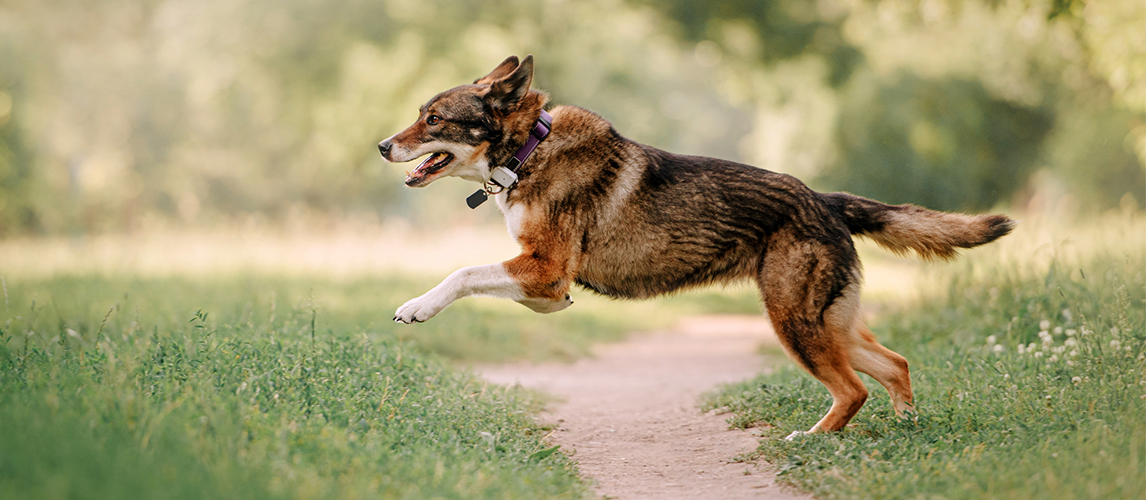
Our number one choice of pet tracker is this one from Whistle 3. Using a combination of GPS and cellular technology, you can check your pet’s location anywhere in the US. Set up the safe area for your dog and you can choose to have text, app, or email notifications to see where they are.
If you need more detailed information, you can check up on where they have been over the past 24 hours. This function allows you to see if you need to adjust their physical activity levels to be more in line with their weight, age, and breed. The battery life is extra-long, so you don’t have to worry about recharging it quite so often.
For us, it ranks comfortably at the top of our list.
