
Best Hypoallergenic Cat Breeds

Cats make excellent pets. They require very little attention, save for their regular meals, water, and toileting. As such, they are perfect for people who may not need a pet that is as rambunctious and attention-seeking as a dog. Unfortunately, cats may not be the best pet for people with allergies like asthma and dermatitis. These animals can shed a lot. But there is good news on the horizon. If you have allergies and would still want to have a pet cat with you, then you should get a hypoallergenic cat breed.
Demystifying the “Hypoallergenic” Label
When people talk about hypoallergenic, they often mean that the cat will not trigger an allergic reaction in susceptible individuals. The term “hypo” means “low”, so this translates to “low” allergenic potential. Because of this, a hypoallergenic cat can still trigger symptoms of allergy in certain folks. However, the chances of these occurring are far less than so-called “allergenic” cats.
The allergenic potential of cats is inherent in their pet dander. These are microscopic bits of skin that cats, dogs, and other pets with fur shed. Pet dander is a well-known allergen which stimulates the immune system to mount a reaction. However, cats do not only produce pet dander. They also produce other allergens such as Fel d 1 proteins found in their saliva. This allergen gets transferred to the cat’s fur during self-grooming. If fur gets loose, it can enter the nostrils of people and get inhaled into the lungs. This can trigger an allergic response.
Considering these facts, being allergic to cats has nothing to do with whether they have hair or not. The main culprits here are the allergens in pet dander and Fel d 1 in their saliva. What is critical now is whether the cat is a low-shedder or a heavy-shedder. It is also important to consider their self-grooming behavior.
For a cat to be safe around people with allergies, it needs to be low-shedding and produces lower levels of Fel d 1 proteins in its saliva. Only these cats can pet parents consider as hypoallergenic.
Again, it is important to keep in mind that “hypoallergenic” doesn’t equate to total absence of allergenic potential. It only means it has a lower risk of producing allergic symptoms.
Cat Breeds that are Less Likely to Trigger an Allergy among Pet Owners
Let’s now look at the world’s best hypoallergenic cat breeds.
Sphynx
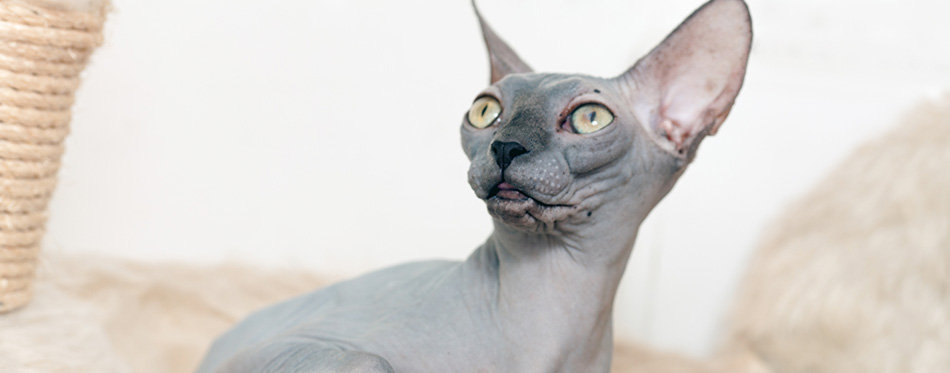
Need a cat that will not trigger your allergies? The Sphynx fits the bill like lock-and-key. No other cat can be as exotic as the Sphynx. We always know felines as animals covered in silky fur. Not the Sphynx, though. This is a hairless breed. Hence, there are no hairs that the cat can lick. The Sphynx is a natural choice when it comes to hypoallergenic cat breeds because of its very unique physical characteristic. It may be hairless, but the Sphynx is full of warmth and humor. These are traits that endear the feline to its owners.
Siberian
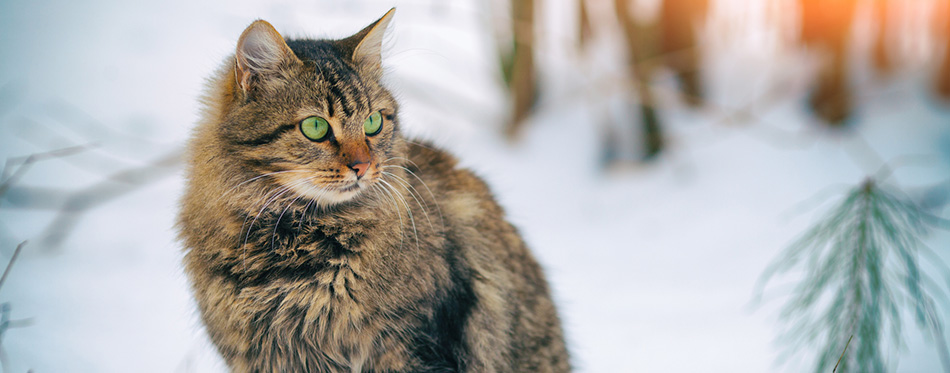
It may have a thick double coat, but the Siberian is one of the best cat breeds for allergy sufferers. Why? This Beatles feline inspiration comes with low levels of Fel d 1 proteins that give it its hypoallergenic properties. They shed once or twice a year, but their self-grooming behavior is not as intense as other breeds. It’s a feline sweetheart with a muscular and agile body. Its adventurous spirit can help keep allergy sufferers warm and cozy any time.
Bengal
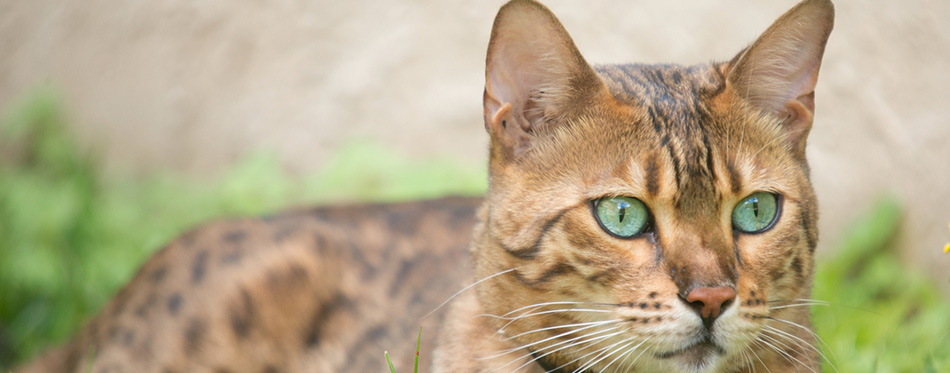
Like the Siberian, the Bengal cat features very low levels of Fel d 1 proteins in its saliva. On top of that, it possesses a coat that is very fine. This means it doesn’t groom itself very often, too. This short-haired feline is perfect for allergic cat parents who may want a feline with an exotic look without the risks of having a wild cat in the home. The Bengal is a cat that loves to watch the birds in the backyard or the fish in your aquarium.
Check out our guide on the Best Cat Food for Bengals for more info.
Oriental Shorthair
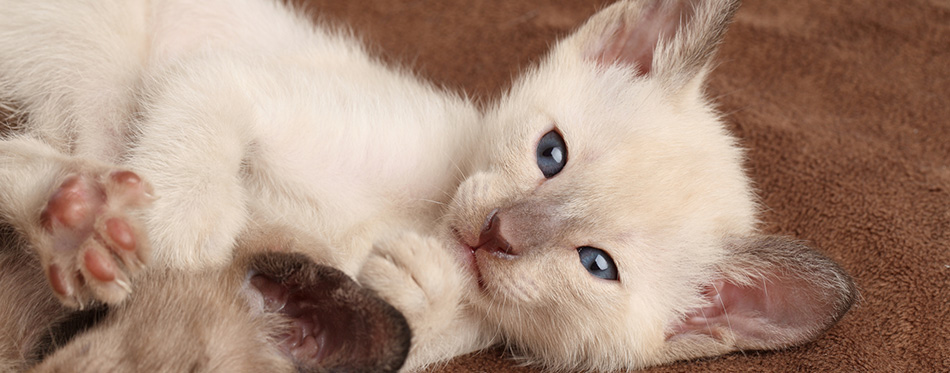
The fun-loving and lively Oriental Shorthair is another favorite among cat parents with allergies. This cat breed comes with very fine, short, and low-shedding coats. There are more than 300 patterns and colors of the coat of this feline breed. It’s no wonder then that people call the Oriental as the Ornamental cat. The cat looks like a Siamese, only with longer hair. Oriental Shorthairs are very athletic cats. They can be very observant of anything that the family does. This makes the Oriental a great cat to have for families of allergy sufferers.
Burmese
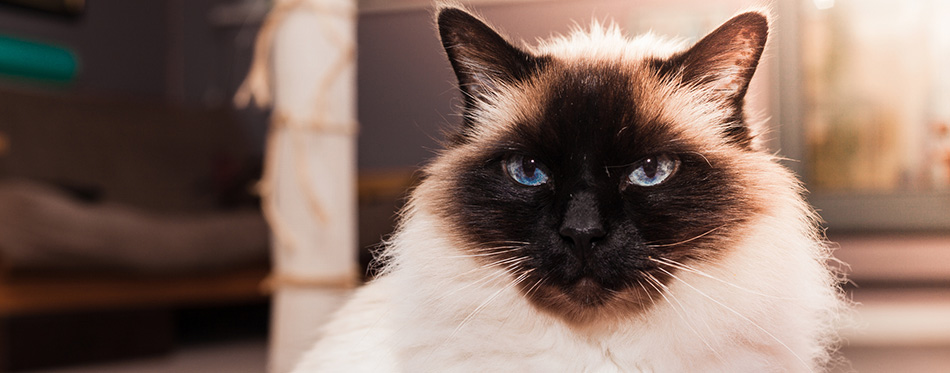
The Burmese has the looks of a Siamese, but with the body of a Domestic Shorthair. Like the rest of cats in this list, it also boasts of a low-shedding coat. The Burmese features very short, silky, and fine coat that doesn’t require self-grooming or owner-initiated grooming. It also possesses low levels of Fel d 1 proteins to help give it a more hypoallergenic profile. It may be compact but the Burmese is a heavyweight. Some cat parents describe it as a brick that’s wrapped in silk.
Devon Rex
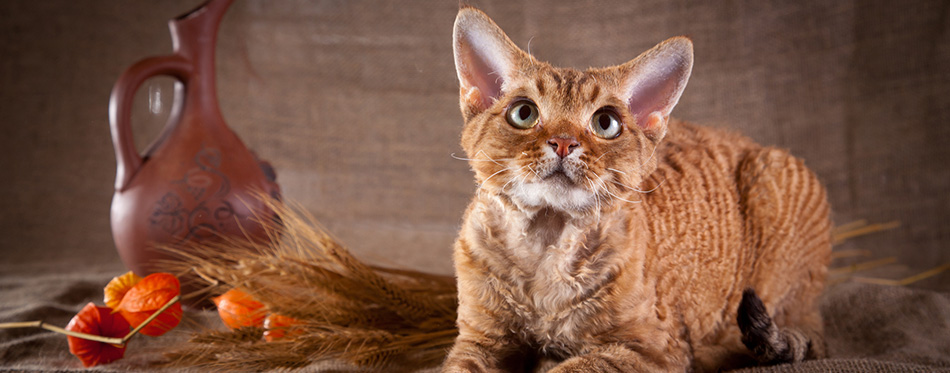
People call the Devon Rex as the “Forever Kitten”. They have this very playful nature that makes them very adorable among like-minded cat parents. It has big eyes, high cheekbones, a slender body, and long legs that go with a very unusual hairstyle. This kitty comes with a loose and wavy coat. But what makes it so appealing is the fact that it is one of the lowest-shedding felines in the world. That’s good news for children with asthma and allergies as they get to play with this very social cat without any incident.
Cornish Rex
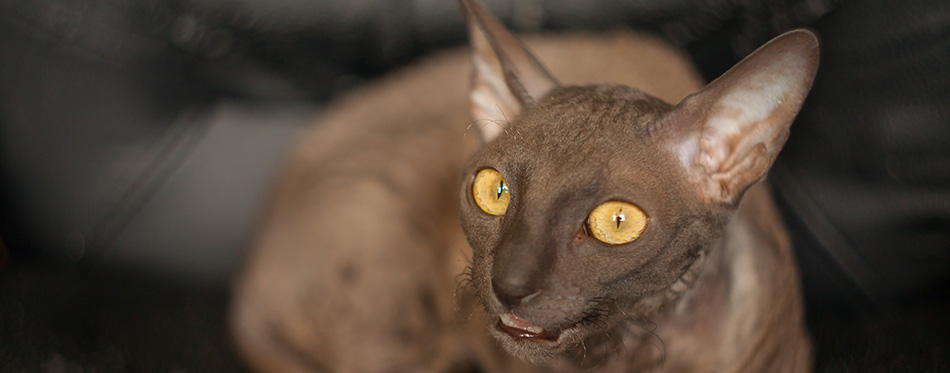
As the Devon Rex’s cousin, the Cornish Rex also boasts of low-shedding coat. Its coat is, however, curlier than that of the Devon. People think that the curly coat is a product of feline hair styling experimentation. It’s not. The curly nature of the Cornish’s coat is due to spontaneous natural mutation. This is very common in the cat world. Like its cousin, the Cornish Rex has a very playful attitude. Kids will love its egg-shaped head and funny antics.
Russian Blue
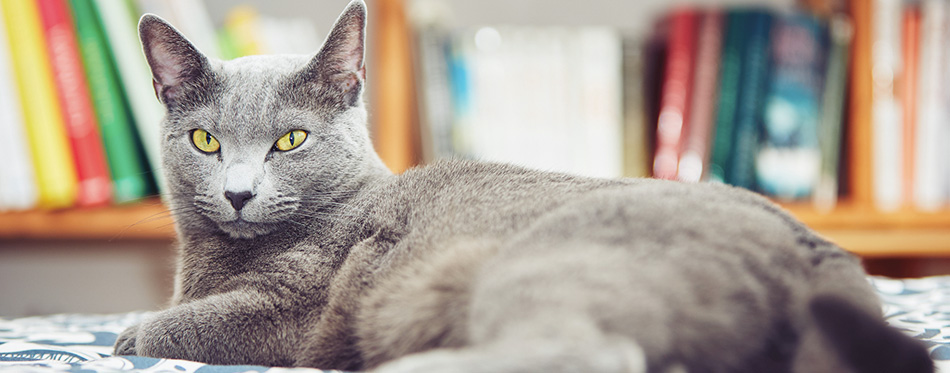
You’ll love the Russian Blue. Aside from the fact that it’s hypoallergenic, this Russian feline is also intelligent and gentle. Unlike most of its feline brethren, the Russian Blue is also quiet. It’s the ideal companion for individuals who do not like noisy cats in their homes. The Russian Blue comes with plush and short double coat that covers its slim and graceful body. A more important characteristic is its ability to produce fewer Fel d 1 proteins. This is good news for allergy sufferers.
Balinese
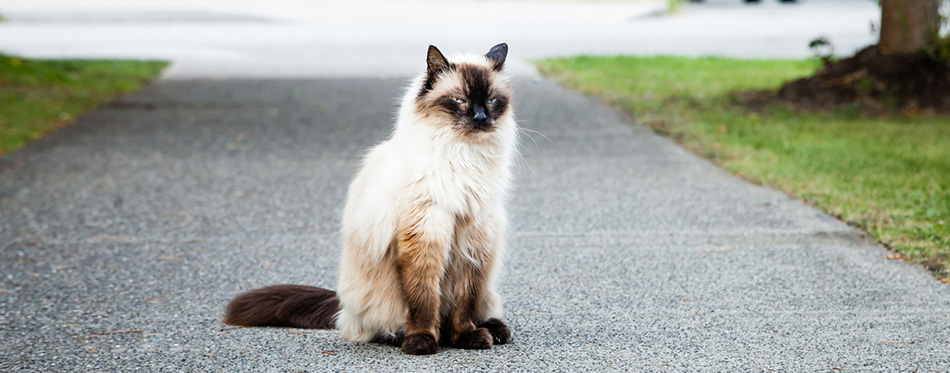
For those who don’t know cats, the Balinese can be mistaken for a Siamese. These two felines come with the same muscular yet svelte body as well as a wedge-shaped head. Both also come with striking color points, blue eyes, and large triangular ears. But look closer and you’ll see the difference. The Balinese has longer hair than the Siamese. It did retain its silky texture to it, though. Like the Russian Blue, the Burmese, the Bengal, and the Siberian, the Balinese also produces lower levels of the allergenic substance in cat saliva. This makes the Balinese a great cat for people with allergies.
Javanese
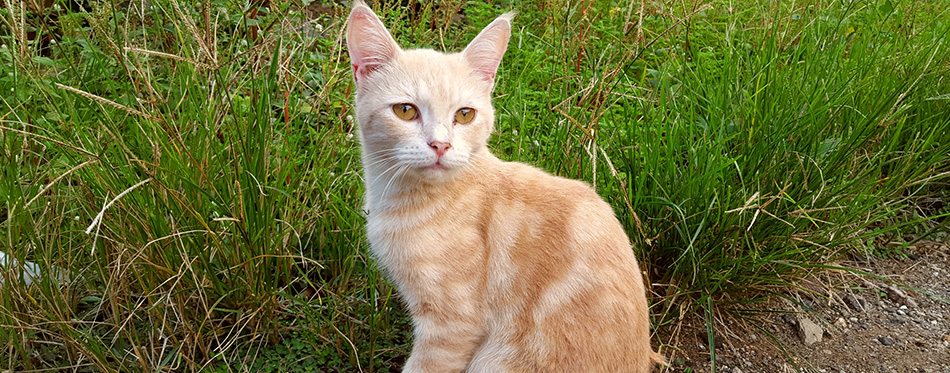
You may think the medium-length coat of this cat will be detrimental to the health of your allergic family member. You’d be surprised that it won’t. The Javanese may have the medium coat of a Maine Coon, but it is a low-shedding variety. As a matter of fact, the Burmese sheds more than the Javanese. Allergy sufferers will appreciate the Javanese. Not only is it safe for them as a pet, it is also a very sociable cat. This kitty prides itself in having a lovely plume on its tail and will follow its owner wherever he or she goes.
Siamese
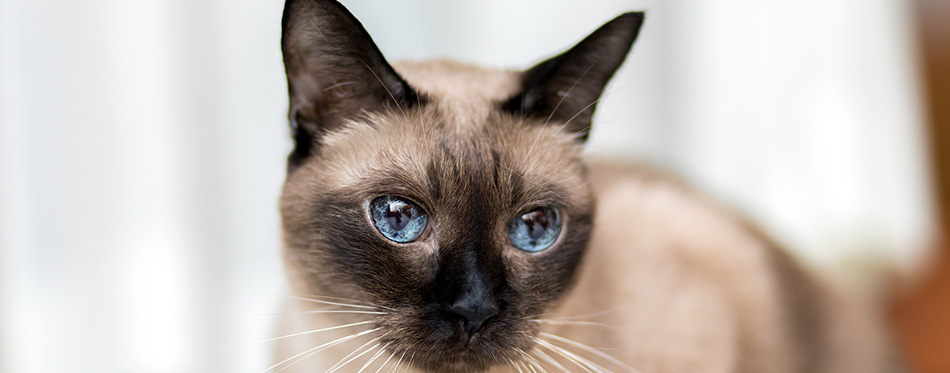
There’s no denying that the Siamese is a very beautiful breed of cat. What many don’t know is that this feline breed also features a low-shedding coat. The distinctive coat on this feline, complete with dark points, make the Siamese such an adorable breed. More than its hypoallergenic nature, however, the Siamese is highly-valued for its intelligence. This is one of the very few cat breeds that will walk with you on a leash, much like a dog. It loves to play fetch, too.
LaPerm
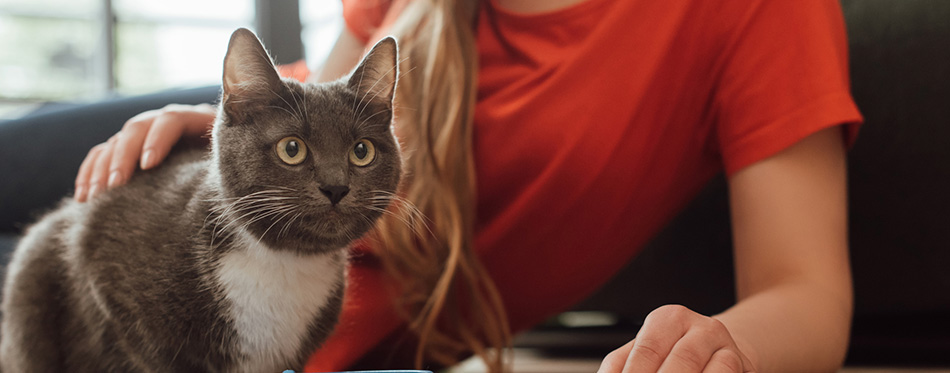
LaPerms often start as shorthaired kitties or hairless kittens like Sphynxes. However, as they grow older, they also grow their hair. LaPerms have wavy or curly coats like the two Rexes in this list. It features a variety of coat patterns and colors as well as length. Don’t worry if you have allergies as the LaPerm is one of those cat breeds that are less likely to trigger an allergy attack. It’s friendly, curious, and very loving, too.
Having allergies doesn’t mean you can no longer own a pet cat. You only need to know which breeds are less likely to induce an allergic reaction. You can always start with the cat breeds in this list.
Source:
- Hypoallergenic Cats – Blue Cross
