How to Read Your Dog’s Body Language

Every pet parent has this secret wish of having their beloved dogs talk to them. They’d be surprised to know that dogs actually talk to us. The only problem is that they do not communicate using the human language, in a way that we can understand right away. But this does not mean they cannot tell us what they feel. We only need to sharpen our senses, especially in recognizing the very subtle signs that dogs can convey. After all, dog body language is a communication tool that these pets are pretty adept at. With an open mind and an inquisitive eye, you can decipher the message behind your dog’s body language.
Watch the Tail
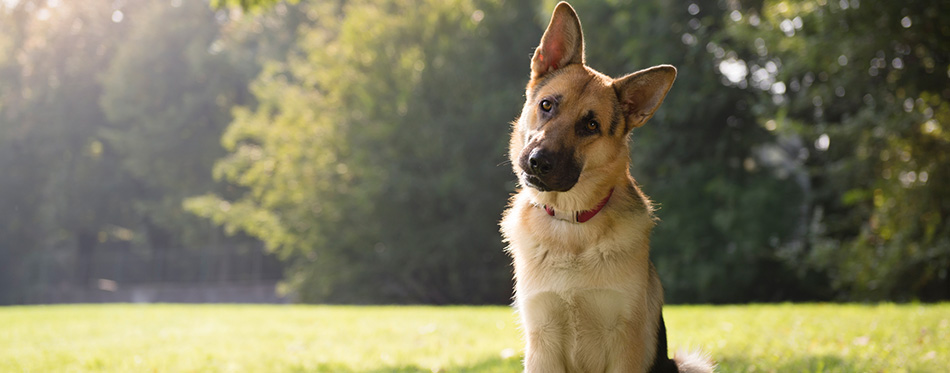
If you’re wondering how to speak dog language, you can always start by understanding the dog’s tail. Unless you have a dog with a docked tail, watching this appendage can tell you a lot about a dog’s current mood. Depending on the pace of the tail movement and its position relative to the rest of its body, a dog’s tail can convey a lot of messages. Here are some of the messages that a dog’s tail movement can convey.
- Happiness and Friendliness
Most pet parents think that a dog wagging its tail is a clear sign of the animal’s “happiness” and “friendliness”. This is not always the case. There is such a thing as a “happy” wag and a “willing-to-interact” kind of wag. The latter does not always mean interacting in a positive way. So, how do you know that the wagging tail denotes friendliness?
Look at the movement of the tail. If it has wide and sweeping movements, then you can say that the dog is in a happy state. The tail may also show loose circling motions. It is also held at a more comfortable height, which should be about the level of the dog’s back. Also, watch other dog posturing signs. It may wiggle its bottom and show a more relaxed body movement.
- Confidence
A confident dog will often have its tail sticking straight up in the air, but in a more relaxed manner. It is almost similar to having an alert dog or a hound that picked up something interesting from a distance. The point here is to look at the movements of the tail. An alert dog will not make any pronounced tail movements. A confident dog often shows with a more relaxed tail.
- Willingness to Interact, But in a Less Friendly Way
We mentioned that a wagging tail does not always denote canine friendliness. If the tail moves slower and in a narrower arc, the dog may be telling you that it is ready to “interact”. The issue with this, of course, is that the dog does not always mean “interacting” in a friendly way. It is being cautious. It knows it has to interact with you, but it does not know how you will respond.
- Potentially-aggressive Behavior
A dog wagging its tail but also barking can be a sign of something else. Take note of the dog’s body stance. If it is in a defensive posture, take a look at its face. Is it tense? How about the dog’s eyes? Does it look like a hard stare? If so, you are better off not interacting with this dog. It has nothing to do with you, of course. But these signs all suggest a dog that is frustrated and overly aroused.
- Submissive Behavior
Check the position and movement of the dog’s tail. If it is lower than its back, yet moves in the same manner as a happy tail, this often means that the dog is submissive. Check other dog posturing actions as well. Watch the ears. More often than not, the ears fold flat on the side of the dog’s head. These are all indications of a submissive dog.
- Alert and Focused
Dogs that hold their tails up high and move them a lot slower are trying to assess a situation. They are trying to focus on something. This is a dog body language that you will expect from hounds that are on the hunt.
- Ready for Fight-or-Flight
If the dog extends its tail, it often means that the dog is tense. In some cases, the dog can also try to “curve” its tail. This signals the dog’s readiness to take flight or to face the fight head on.
- Nervous or Anxious
Dogs that hold their tails between their legs or hang them very low are often seen as being anxious or nervous. In most instances, however, such a body language speaks of the dog’s low level of confidence.
- Very Happy to See You
Those seeking to learn how to speak dog language, looking at the tail wag orientation is a classic. This is one message you will never miss from a dog that loves you. If it wags its tail more towards the right side of its body, it only means one thing – the dog is very happy to see you. You may also see its bottom, moving towards the right. If the dog sees a person it doesn’t recognize, it can still be happy. However, its tail will wag more to the left. And so does its bottom. This is a very subtle canine body language that is very easy to pick up.
Look at the Dog’s Face
It is quite difficult to “read” a dog’s face, whether it is being friendly or not. However, there are very subtle cues that you have to look for to help understand what your dog is trying to communicate.
- Happy and Relaxed
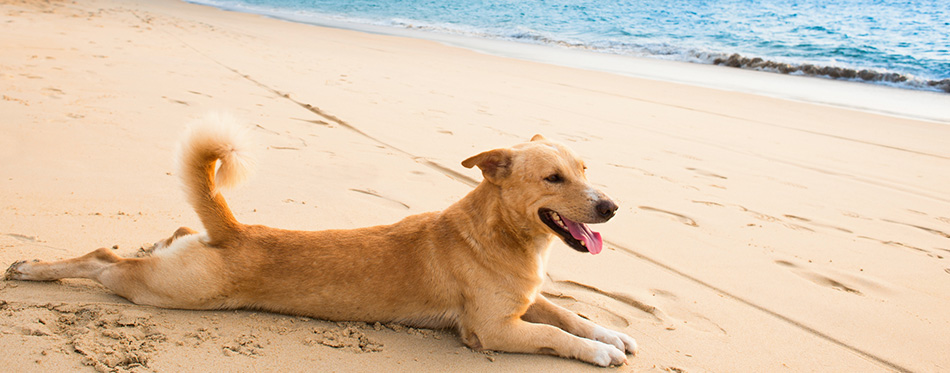
A relaxed dog will often have its mouth open a little bit. You can also see its tongue in a more relaxed position. In some instances, the tongue may loll to one side of the dog’s mouth. Its eyes may “blink”. Some dogs may also squint their eyes. Overall, the dog will have a more or less relaxed facial expression.
As we said earlier, determining the happy disposition of a dog at face value is quite difficult. You will have to check what the rest of its body is telling you. If a dog is happy and relaxed, then it will have its tail wagging very fast. It may also wiggle its bottom. In very happy and relaxed dogs, they may turn over and present their tummies. This is almost always a clear indication of the dog’s friendliness. This is a dog body language you can’t miss.
- Anxious or Stressed
An anxious dog will often show more of the white of its eyes. It may also blink more often than usual. You may also find its eye brows in a furrow. It may show the classic “whale eye”. In this behavior, the dog will turn its head, but its eyes are still fixed on what is making the dog anxious. The dog may also stare very intently or may have its gaze darting around. If you check its pupils, it is darker than usual and is often dilated. A dog that is stressed out may yawn; although it can also mean that the dog is only sleepy. Some dogs also drool a lot more when under stress.
- Nervous
You may notice tension in the jaw of a nervous dog. This is often characterized by the closing or the tightening of the mouth. Its whiskers may also twitch. The whisker beds may also become more visible in a tense or nervous dog. It may try to purse its lips in an attempt to snarl. In some cases of dog posturing, a nervous dog may show its teeth. However, showing the teeth is not always a sign of aggression. It may also be a sign of a dog’s submissive grin.
Take Note of the Ears
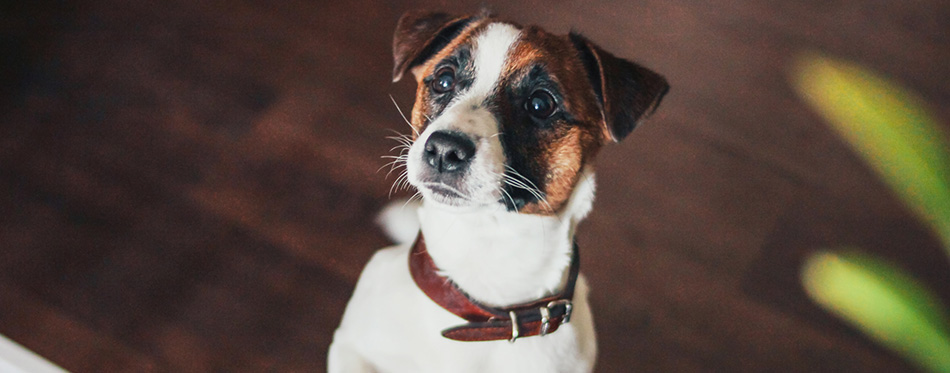
In addition to the dog’s tail and face, another important part of dog body language is the movement of its ears. As always, these canine ear actions may mean other things. That is why it is important to interpret these signs together with other cues from the dog. It is often best to look at these signs in the context of a current situation. Only then can these subtle signs make perfect sense.
- Happy, Relaxed, or Friendly
If you see your dog’s ears oriented to the front and a little to the side, it often means that you have a relaxed hound. Depending on the circumstances, you may also notice the ears to be twitching a bit. It is as if the dog is trying to listen to some interesting sound. A friendly dog will also lower its ears a little bit. It may also move its ears back such as when accepting a delicious dog treat. Try giving your dog a kiss and you will notice its ears to behave in the same way.
- Curious
If the dog’s ears are standing straight up and the ear itself is facing forward, it is a dog posturing maneuver that signals heightened awareness. In many instances, the dog is showing curiosity. It may be able to pick up a very faint sound from afar. Hence, it is trying to zero in on the signal by turning its ears in the direction of the sound.
- Anxiety or Fearfulness
One of the things you have to watch out for is the moving of the dog’s ears towards the back of its head. This is often an indication of extreme anxiety or fearfulness. The farther back the dog’s ears are, the more fearful or anxious the dog is. Of course, if you want to learn how to speak dog language, you also need to correlate this with other dog behaviors.
- Defensive Posture
A dog that has its ears pressed very tight against its head is a canine that you don’t want to mess with. This is a dog that is more than ready to defend itself. It is a sign that it will try to protect itself and the dog can turn to aggression if necessary. Keep in mind, however, that floppy-eared dogs may be a bit more difficult to evaluate. Hence, it’s always best to check the base of the dog’s ear for any movement.
The Body Speaks
The dog’s body movements can also tell you a lot about what it has in mind. Again, these signs should always be taken within the context of the current circumstance.
- Relaxed and Happy Demeanor
A dog that will turn over and present its tummy in full display is a canine in a very happy and friendly mood. It conveys trust in the person or another dog. This dog loves social contact. Most dogs will also show the “play bow”. It goes down on its forelegs while sticking its bottom up in the air. This gesture is more like inviting another dog to come play.
- Appeasement Behavior
Dogs that will try to seek your attention will jump up and exhibit the “play bow” posture. It will also try to lower its body and, in some instances, may curve its body to the side. There is another side to appeasement that is somewhat similar to submissiveness. When a dog flips over and presents its stomach, it is often a sign of withdrawing from the interaction. It is different from the tummy flip in happy dogs. In this case, the dog is “giving up”.
- Stressed or Nervousness
Visible shaking in the dog’s body is almost often a clear indication of the dog’s stress levels. This is also true when excessive salivation accompanies the shaking. You may also notice the dog to “freeze” or unable to move.
- Curiosity
Aside from the usual tails and ears erect, a curious dog will often lift one of its front paws. This is a sign that the dog is trying to anticipate what will occur next.
- Offensive or Defensive Posture
These are signs that you want to be very cautious about. If you see any of these signs from a dog, make sure to keep your distance. A dog that leans its body forwards is often a sign of an impending aggression. It may be trying to defend its territory by holding its ground.
There’s no point envying Dr. Doolittle anymore. You can always start learning to decipher dog body language on your own.
Sources:
- How To Read Dog Body Language – AKC
- Dog Communication and Body Language – Center for Shelter Dogs
