
10 Ways To Pick Up Dog Poop

Managing a dog’s waste is every pet parent’s responsibility, whether it’s within one’s backyard or in a public place. Dog poop contains substances and microorganisms that can leach into the ground and contaminate water systems. This can contribute to land and water pollution. It is also possible that insects can land on the fecal matter and pick up the germs. They can then transfer these germs into our food, other pets, and other objects in the community. Picking up your dog’s poop is not difficult. Here are 10 ways you can pick up and manage your pet’s poop.
Old Newspapers, Paper Bag, or Ordinary Paper
This has got to be one of the simplest and most practical ways to pick up Fido’s poop. Everyone has scraps of paper at home. It can be the newspaper you read yesterday or the other week. It can also be pieces of paper bags you got from the grocery store. If you have children, old notebooks can also serve as excellent poop pickers.
Most pet parents bring several pieces of these old paper materials whenever they take their dog for a walk. As soon as the dog assumes the pooping position, you can put the paper on the ground where you expect the feces will land. Once done, fold the paper to contain the waste inside.
The problem with this approach is that it may not hold watery stools very well. If your pet has diarrhea, then its stool will soak the paper in an instant. However, if your pet has well-formed, solid stools, then it’s not a problem.
Ordinary Plastic Bag
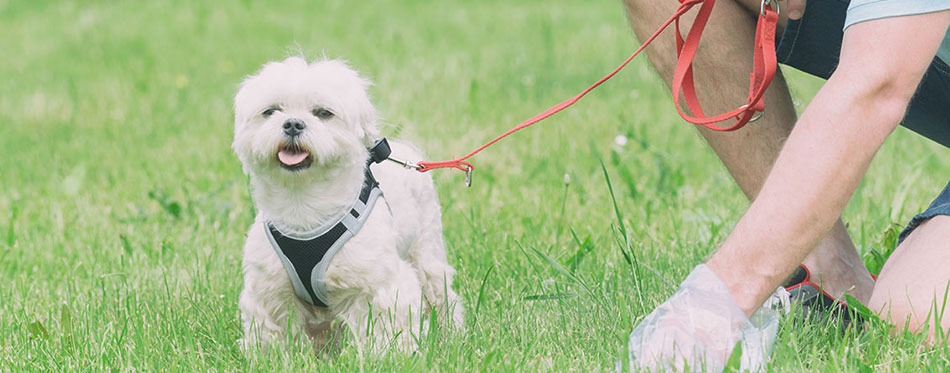
Another practical approach to picking up your dog’s waste is by using ordinary plastic bag. The main concern here, of course, is that plastic bags tend to be non-biodegradable. On the plus side, plastic bags are very commonplace. You can get them almost anywhere. You also don’t need to buy them since many of these come with your everyday purchases.
One good thing about plastic bags is that you can put your hand into the bag and pick up the poop yourself. This only works with solid stools, however. If your dog has watery stools, the best approach will be to catch the stool with the open plastic bag. You can place it on the ground to catch Fido’s stool.
Poop Bags
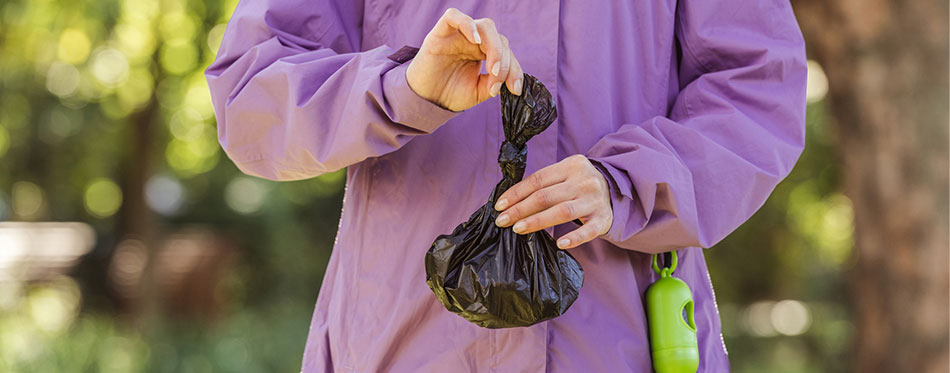
As mentioned earlier, ordinary plastic bags are non-biodegradable. If you’re concerned about the impact of plastics on the environment, then you should get dog poop bags. These look like your ordinary plastic garbage bags, only smaller. Many of them also feature a different kind of plastic manufacturing technology. They call these dog poop bags as oxobiodegradable.
When compared with true biodegradable materials like paper, oxobiodegradable poop bags break down a bit slower. They can take up to 18 months before becoming fully decomposed. This is still faster than the average length of decomposition of conventional plastics. Traditional plastic bags can take tens to hundreds of years to decompose.
There are also dog poop bags that you can flush in your toilet. You might want to consider these products if your community allows for the flushing of pet wastes.
For more options, check out our detailed reviews of Pee Pads For Dogs and Dog Proof Trash Cans.
Pooper Scooper
The issue with using paper, plastic bag, or poop bag is that you will still have to pick up the poop yourself. For some individuals, this can be gross. Some may have back problems that prevent them from bending to pick up the dog feces. If you’re like any of these individuals, there is a better way to picking up Fido’s stool.
You can purchase a pooper scooper. This looks like a small dust pan with an extra-long handle. It can also come with a broom-like device for shoving the poop into the collecting pan. There are also devices that look like an excavator. On one end of the gadget is a mechanism that can accommodate an ordinary plastic bag or the dog poop bag that it comes with. There’s also a mechanism that allows you to scoop the stool.
Freeze the Dog Poop
This may sound very unusual, but there are now products that allow you to freeze your dog poop. You will still have to pick up the stool, of course. But, since it is already frozen, picking it up will be less disgusting.
Poop freeze spray products blast a very cold mist of air into the poop. This turns the chunk of pet waste into a solid mass of icy poop. It can freeze the stool up to minus 62ºFahrenheit.
There is a downside to this product, unfortunately. It doesn’t work that well on watery stools. As such, you will still need to pick up diarrheic stools using other means like the pooper scooper or the dog poop bag.
Vacuum the Dog Poop
You may think this is an absurd and ridiculous way to pick up Fido’s stools. However, there are now contraptions on the market that works like an ordinary vacuum cleaner. These are very handy tools that suck up the smelly pile and store them in a canister inside the device. You can then dispose of the pet poop in the usual manner.
The great thing about these products is that they allow for a non-contact approach to managing pet waste. It is also beneficial to pet parents who may have back problems or those who may find it icky to pick up their pet’s wastes. The downside is that you have to make sure that it is fully-charged all the time. Its ability to suck up pet waste is dependent on its battery levels.
Bury the Dog Poop
If you have a spacious yard, you may want to consider burying the dog feces instead. This will address the issue of an unsightly and smelly yard because of pet wastes. It is an easy solution, but one that requires you to use a shovel. It may not also be ideal in yards with lots of vegetation as the stool can still contaminate the waterbed for these plants.
It is also not an ideal solution when you’re outside your property. You cannot walk your dog with a shovel in hand. Moreover, public places do not allow the digging of their landscape only to use it for burying dog poop. As such, this method is best reserved for dogs that poop in the backyard.
Flushing the Dog Poop
There are communities that allow for the flushing of pet poop down the toilet. However, there are also cities that have specific regulations regarding such practices. It is best to understand these regulations in your area first before you attempt to send your pet’s poop down the sewers. If the local regulations allow for the flushing of your pet’s poop, then you’re in luck.
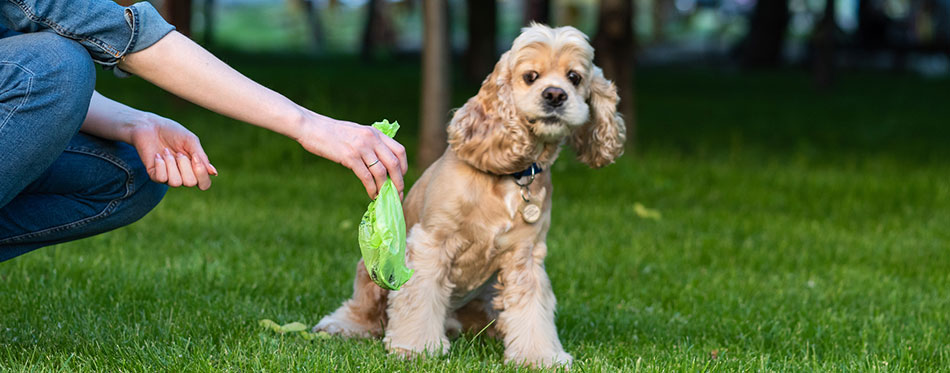
It is also advisable to pick up dog feces using flushable dog poop bags. This way, you don’t need to empty the pet waste from the bag anymore. You can dump the bag with the poop in it straight into your toilet and flush it away.
Another product you may want to try is a doggy drain. This serves as a toilet for your dog’s wastes. You scoop the poop and dump it into the drain. This leads straight into the sewage system. The issue with such a product is that you will need to install it and connect it to your sewer line.
Designate a Doggie Poop Corner
There are two methods that you can employ in this approach. First is using an indoor potty box. There are many products that provide pets with a miniature patch of green often placed in a box. Some of these products contain natural attractants which should help entice dogs to do their business in the grassy box. There are also products that look like plain towels, but these often come with absorbent materials and natural attractants as well.
The second method is if you have a spacious backyard. You can train your dog to poop only in one specific area of the yard. This will serve as its poop corner. You will still pick up its stool, however. But, at least, you are confining it to a specific area in your backyard.
Related Posts: Dog Diapers and Pooper Scoopers
Composting Dog Poop
You can also purchase a portable compost bin that’s specific for managing dog wastes. This offers a smart way to eliminate pollutants and germs that may be present in dog poop. These gadgets act like a miniature septic tank. They are able to break down the waste materials in a more efficient manner. It is also possible to make your own dog waste-specific composting bin.
The problem, as you may guess, is that it will require some effort and money to set it up. You will also not be able to manage the poop of your dog during its everyday walk.
Managing your dog’s poop is your responsibility as a pet parent. Not only are you contributing to the cleanliness of the environment, you’re also respecting the rights of others to poop-free surroundings.
